The 'Chosen People' Explained: Special Forces, Not Superiority (recommended)
62 views · 1 month ago · Torah, Israel, Kids & Family
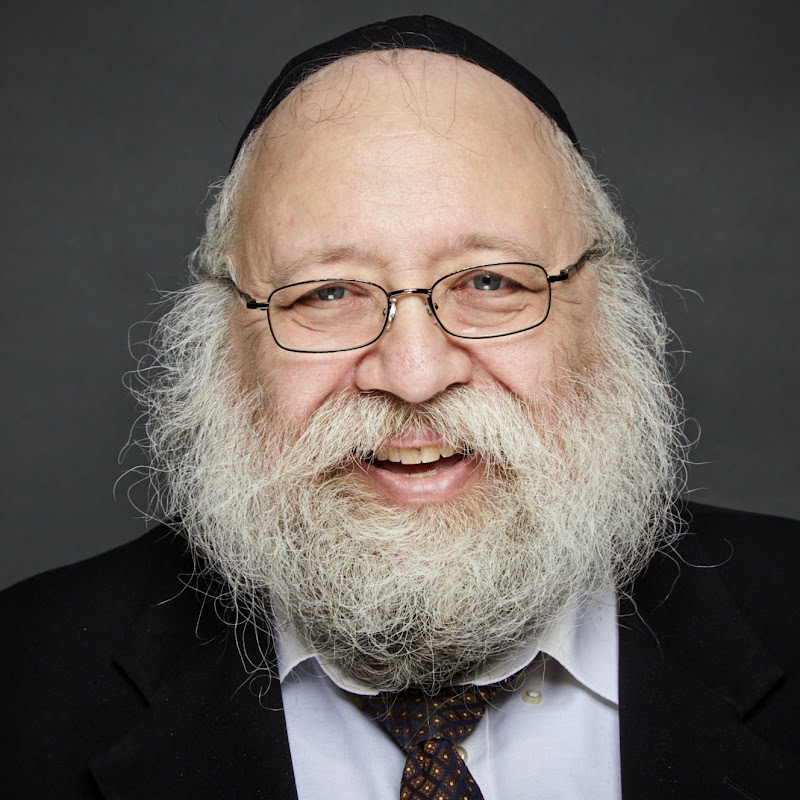
Welcome to Ethics of Our Fathers: Chapter 3, Mishna 14 (Part II) Does being called God's "chosen people" mean Jews believe they're better than everyone else — or is chosenness actually the exact opposite of that claim? This week we continue Mishna 14, which describes three expressions of God's love: humanity created in His image, Israel called His children, and Israel given the Torah as a precious instrument. Rabbi Greenberg unpacks the middle piece — Jewish chosenness — using a "special forces" analogy: anyone can volunteer, but the role comes with greater risk, greater sacrifice, and little recognition, not special status. He then traces why that idea sits at the exact opposite pole from the Nazi "master race" ideology, works through the Talmudic debate between Rabbi Akiva and the Roman governor Tinneius Rufus over whether Jews remain God's children even when they "don't behave," and closes by unpacking Torah itself as something we purchase (through intellectual effort), inherit (as God's children), and receive as an outright gift (at Sinai) — including the famous story of the Oven of Achnai, where the Sages overruled a heavenly voice and God is said to have laughed with joy that "My children have prevailed over Me." 🔎 In this video we explore: - What "chosen people" actually means once you drop the assumption that it means "superior" - The special forces analogy: why greater mission means greater sacrifice, not greater status - Why chosenness obligates us to elevate others, not look down on them - The exact, deliberate contrast between "chosen people" and the Nazi "master race" - Rabbi Akiva's debate with Tinneius Rufus: are we still God's children when we don't behave? - Why this Mishna calls God "HaMakom" (the Omnipresent) instead of His more common names 💡 Key Insights: - Chosenness is defined by fulfilling your mission, not by rank — someone who completes a small mission is "better," in that sense, than someone who falls short of a larger one - In Jewish thought, discovering you have an advantage over someone else creates an obligation to lift them up — the reverse of how privilege is often used - Every human being, not just Jews, has a mission (broadly, "tikkun olam" — repairing the world); the Jewish mission specifically is to make the world holy through the mitzvot - The Torah was given as a gift specifically so that its power would exceed anything we could have purchased or inherited on our own 🤔 Reflection Questions: 1. Where in your own life have you mistaken being "chosen" for something — a role, a talent, an opportunity — for evidence that you're better than others, rather than more obligated? 2. The shiur argues real chosenness requires you to use whatever advantage you have to elevate someone else. What's one concrete way you could do that this week? ⏱️ TIMESTAMPS 00:00 Welcome & Recap: The Three Parts of Mishna 3:14 03:16 What Does "Chosen People" Actually Mean? 06:17 The Special Forces Analogy: Mission, Not Superiority 08:47 Humanity's Mission vs. Israel's Mission 11:07 The Special Soul: Surviving Against the Odds 13:34 Chosen Doesn't Mean Better — It Means Elevate Others 15:05 Chosen People vs. the Nazi "Master Race" 16:45 Rabbi Akiva vs. Tinneius Rufus: Are We Still God's Children? 19:28 Why God Is Called "HaMakom" Here 21:24 Why God Doesn't Say All Our Praise to Our Face 24:33 Opting Out: Before and After Sinai 27:24 Three Stages: Image of God, Children, Torah 29:05 Torah as Purchase, Inheritance, and Gift 32:46 The Rogatchover Gaon: Torah's Infinite Depth 38:04 "Torah Is Not in Heaven": God's Laughter 40:13 Torah's Power Over Nature, Time, and the Calendar 42:02 Q&A: Sukkot, Circumcision, and the Number Eight 🙏 If this reframing of "chosen people" gave you something to think about, please like, subscribe, and drop a comment — I'd love to hear where you land on it. Join us live every week for more. 📚 Sources discussed: Pirkei Avot 3:14; Rabbi Akiva (author of the Mishna); Tinneius Rufus (Roman governor of Judea); Talmud Bava Metzia (the Oven of Achnai — Rabbi Eliezer, Rabbi Yehoshua, and the heavenly voice); Elijah the Prophet; the Talmudic account of Rabbi Tarfon's illness; Rabbi Joseph Rosen, the Rogatchover Gaon; Deuteronomy 14:1 ("You are children to the Lord your God"); Exodus 4:22 ("Israel, My firstborn son"); the Passover Haggadah (Dayenu) #PirkeiAvot #EthicsOfOurFathers #ChosenPeople #TorahAsAGift #RabbiAkiva #JewishEthics #TorahStudy #ChabadTorah #RabbiGreenberg *Join our vibrant Torah learning community:* 🌐 *Website:* https://www.rabbigreenberg.com 📚 *"Jewish Wisdom for Modern Life" - Latest book:* https://a.co/d/6Sz88At ▶️ *YouTube:* https://www.youtube.com/RabbiHeschelGreenberg 📸 *Instagram:* https://www.instagram.com/rabbi_greenberg 🐦 *Twitter:* https://x.com/Rabbi_Greenberg 📘 *Facebook:* https://www.facebook.com/rabbihgreenberg 🎵 *TikTok:* https://www.tiktok.com/@rabbi_greenberg 💼 *LinkedIn:* https://www.linkedin.com/in/rabbihgreenberg
Originally published on YouTube by Rabbi Heschel Greenberg. Jewish Social Media links to and embeds the original — it doesn't host this video. Request removal
0 comments
Loading comments…