Can Free Choice Exist If God Already Knows the Future?
79 views · 1 month ago · Torah, Kids & Family
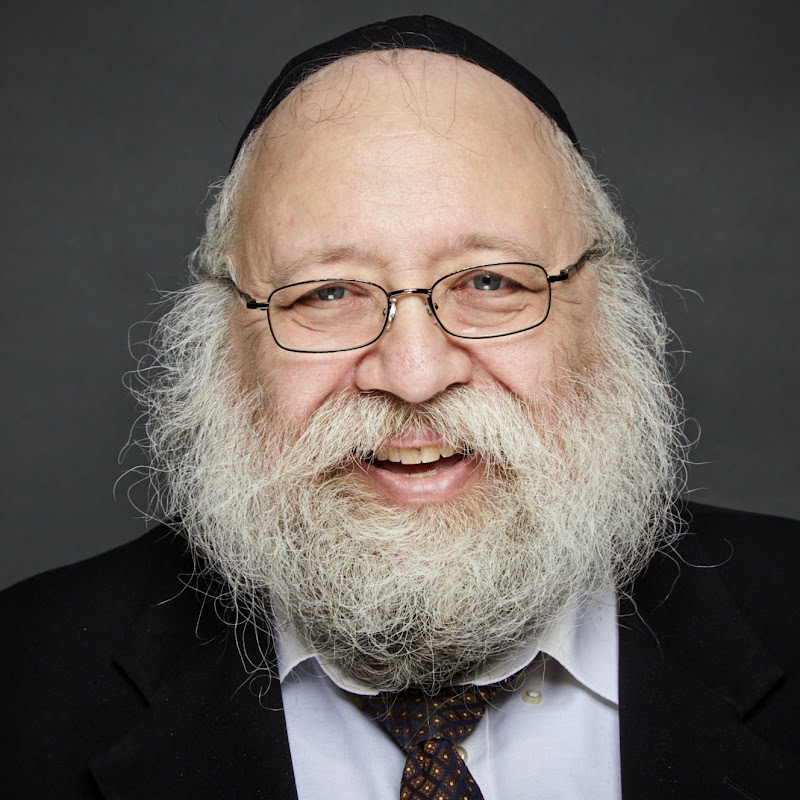
Welcome to Ethics of Our Fathers: Chapter 3, Mishna 15 If God already knows exactly what you're going to choose, can you actually be choosing freely? This week Rabbi Heschel Greenberg tackles one of the most quoted — and most misunderstood — lines in Pirkei Avot: "Everything is foreseen, yet freedom of choice is granted." The entire class hangs on one Hebrew word, safuy, which can legitimately be translated four different ways: seen, foreseen, anticipated, and covered up. Each translation unlocks a different teaching, and together they build toward the classic paradox that has occupied Jewish philosophy for a thousand years: how can free will coexist with a God who already knows the future? Rabbi Greenberg works through the Rambam's treatment of this question in the Mishneh Torah, the Ra'avad's sharp critique of it, and an answer rooted in the idea that God doesn't predict the future from within time — He simply stands outside it, seeing every moment at once. Along the way, the class covers why the Torah punishes a stealthy burglar more harshly than a brazen thief, why Rabbi Akiva (son of converts) may be the perfect teacher of free choice, why deeds matter more than motives, and a very practical Rambam ruling on how to give charity. 🔎 In this video we explore: Why the Torah is harder on a sneaky burglar than a brazen daylight robber The classic paradox: if God already knows your choice, is it still free? Why Maimonides raises this question in the Mishneh Torah — and admits he can't fully resolve it Why Rabbi Akiva, son of converts, may model the purest form of free choice Why the Talmud says to do a mitzvah even for the "wrong" reasons The Rambam's surprising rule: $1 a day beats one $365 check Why God doesn't hold a bad thought against you if you never act on it The Torah's account of Ishmael, the protesting angels, and why God judges "as he is now" — not who he might become 💡 Key Insights: - Free will and divine foreknowledge aren't really a contradiction — because God isn't predicting your future from inside time, He's simply outside of it entirely - The purest free choice happens with the least social or genetic pressure attached — which is part of why a convert's decision carries such unique weight - Action comes first and sincerity catches up — Judaism doesn't wait for you to feel ready before asking you to act - Giving the same total amount in small, repeated installments does more for your character than one lump sum ❓ FAQ: Q: If God already knows what I'm going to do, why does my choice even matter? A: Because God's knowledge doesn't cause your choice. As the class explains, God isn't a fortune-teller predicting from inside time — He's outside time altogether, so His knowing doesn't take away your choosing. Q: Does Judaism care about intentions, or only actions? A: Both, but action comes first. The Talmud teaches that doing a mitzvah for an imperfect reason still moves you toward eventually doing it for the right one. 🤔 Reflection Questions: 1. Where are you holding back from doing something good because your motives don't feel "pure" enough yet? 2. Is there someone — including yourself — you're judging by who they might become instead of who they actually are right now? ⏱️ TIMESTAMPS 00:00 Welcome & Introducing Mishna 15 00:53 The Word "Safuy": Four Meanings in One Hebrew Word 03:22 Everything Is Seen: God's Omniscience and the Two Thieves 07:08 Why Would an Infinite God Care About One Person? 11:54 Everything Is Foreseen: God Knows the Future 13:24 The Free Will Paradox: Rambam and the Ra'avad's Challenge 16:23 God Is Above Time: The Filmstrip Analogy 19:57 Rabbi Akiva, Son of Converts, and the Purest Free Choice 24:20 Teshuva: Why You Can't Make Excuses Before God 27:34 The World Is Judged With Goodness: Justice Meets Compassion 31:24 Why God Covers Up Reality: Protecting Free Choice 33:08 Deeds Over Motives: Doing the Mitzvah for the "Wrong" Reason 38:59 Everything Is Anticipated: Yearning for the Redemption 41:14 Rambam's Tzedakah Rule: $1 a Day vs. One Lump Sum 46:08 Thoughts vs. Deeds: Why Bad Thoughts Aren't Punished 47:22 Ishmael, the Angels, and Being Judged "As You Are Now" 50:30 Q&A: Free Choice, Judgment, and Today's World 53:06 Closing Announcements 📚 Sources discussed: Pirkei Avot (Ethics of the Fathers) chapter 3, Mishna 15; Rambam (Maimonides), Mishneh Torah — Hilchot Teshuva; the Ra'avad's critique of the Rambam; Rashi; the Talmud; the Torah's account of creation (Genesis); the Torah's account of Hagar and Ishmael #PirkeiAvot #FreeWill #Rambam #Maimonides #JewishPhilosophy #Teshuva #Tzedakah #RabbiGreenberg Join our vibrant Torah learning community: 🌐 Website: https://www.rabbigreenberg.com 📚 "Jewish Wisdom for Modern Life" - Latest book: https://a.co/d/6Sz88At ▶️ YouTube: /rabbiheschelgreenberg 📸 Instagram: /rabbi_greenberg 🐦 Twitter: https://x.com/Rabbi_Greenberg 📘 Facebook: /rabbihgreenberg 🎵 TikTok: /rabbi_greenberg 💼 LinkedIn: /rabbihgreenberg
Originally published on YouTube by Rabbi Heschel Greenberg. Jewish Social Media links to and embeds the original — it doesn't host this video. Request removal
0 comments
Loading comments…