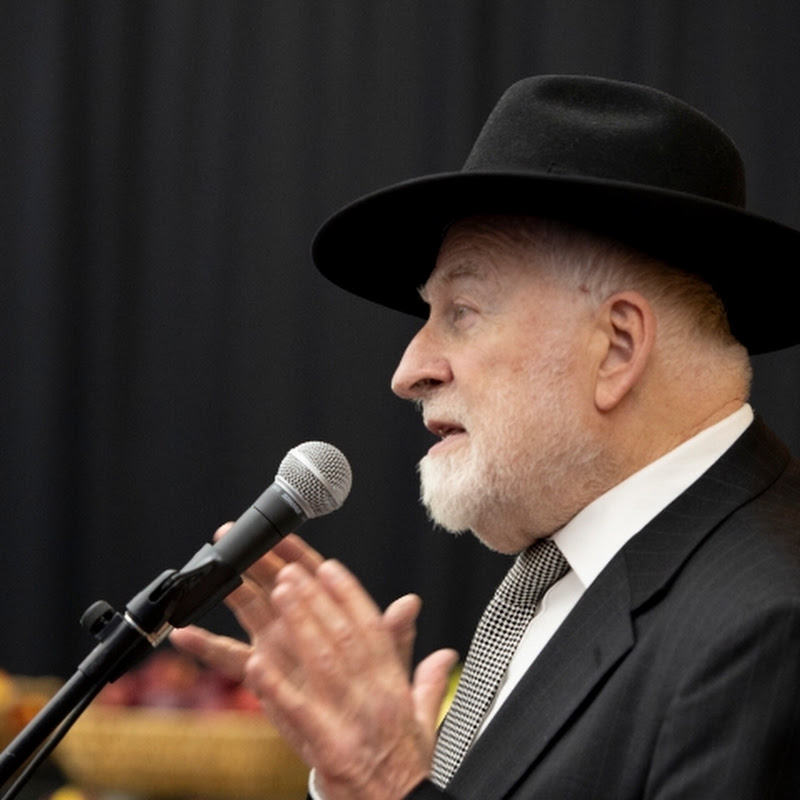
Zionism, Aliyah, & The Role of The Diaspora Jew - Panel Q&A with Rav Lebowitz and Rav Feldman
1.2K views · 4 months ago · Israel, Torah, Jewish Inspiration
Moderated by Rav Beni Krohn https://www.yutorah.org/lectures/lecture.cfm/1173531 General Overview The text centers on the meaning of being a ben yeshiva and ben Torah in Chutz La’aretz while history unfolds in Eretz Yisrael, and it urges serious reflection on Aliyah, support for Klal Yisrael, and the relationship between personal growth and communal responsibility. It presents Yishuv Eretz Yisrael as a matter of great spiritual value that requires thoughtful hishtadlus, bitachon, and honest self-assessment, while also emphasizing that Jews in Chutz La’aretz remain deeply involved through tefillah, support, advocacy, and moral connection. The text closes by shifting into a mystical discussion of creation, the Sefirot, and the structure of the human being, then begins a sugya in Brachos about the Shema. Geulah, Dechikas Haketze, and Human Hishtadlus The speakers explain that the tension between waiting for Hashem’s salvation and actively working toward geulah is part of a larger question of proper hishtadlus. Rabbi Feldman says that doing teshuva, Torah, and mitzvos also brings geulah, so the issue is not whether action is allowed, but where the line lies between appropriate effort and dechikas haketz. He describes the settlement of Eretz Yisrael as aligned with religious vision and says that much of what has been done to advance it fits within legitimate hishtadlus. Aliyah, Yishuv Eretz Yisrael, and Personal Obligation The speakers present Aliyah as a matter of major spiritual significance while saying that the obligation is highly personal and depends on circumstances. They discuss the view of Rav Moshe Feinstein that Yishuv Eretz Yisrael is a Mitzvah Kiyumis, and they compare it to categories such as Milchemes Mitzvah and Milchemes Reshus, which can be serious and yet context-dependent. They say each person must assess family, profession, timing, and contribution to the world, and that for some people Aliyah becomes a clear chiyuv while for others it remains a later possibility. Living in Chutz La’aretz While Supporting Eretz Yisrael The speakers say that living in Chutz La’aretz does not remove one from Yishuv Eretz Yisrael and that support from outside can be extremely meaningful. They cite the Avnei Nezer that sometimes one can do more to support the land from outside than from within, and they stress that tefillah, encouragement, financial support, and awareness all matter. They also emphasize achdus among Klal Yisrael and say that those in Eretz Yisrael fulfill parts of the national mission on behalf of the whole people. Personal Growth and Advocacy for Am Yisrael The text presents personal avodas Hashem and advocacy for Am Yisrael as mutually reinforcing rather than conflicting. Rabbi Feldman connects this to Rav Shimon Shkop and the Sfas Emes, saying that developing one’s own potential contributes to others and that the self should be understood broadly, including family, community, and the Jewish people. The speakers also say that there is a need for outward communication of Jewish values, but that advocacy must be effective and guided, not spent fruitlessly in shallow online argument. Connection to Eretz Yisrael from Chutz La’aretz and Yom Ha’atzmaut The speakers say that people in Chutz La’aretz should keep confronting the emotional and practical distance from Eretz Yisrael instead of hiding from it. They describe Yom Ha’atzmaut in Chutz La’aretz as a difficult day because it feels both connected and removed, and they encourage visiting, maintaining relationships, and making small steps toward greater attachment. They say that repeated contact with Eretz Yisrael slowly changes a person’s mindset and keeps the dream of the Jewish people alive. Mystical Teaching on Adam and the Sefirot The closing section explains that na’aseh adam refers to the inclusion of all the worlds of Beriah, Yetzirah, and Asiyah, and that Adam reflects edameh l’elyon. It says that God created man in His image, breathed into him a breath of life, and that the human body corresponds to the ten Sefirot: chochmah in the brain, binah in the heart, chesed in the right arm, gevurah in the left arm, tiferet in the torso, netzach and hod in the legs, yesod at the sign of the covenant, and malchut in the mouth. This mystical structure is presented as the foundation for the next sugya. Shema in Brachos and the Order of Day and Night The text then turns to the Mishnah in Maseches Brachos that asks from when one reads Shema at night, beginning with the time when the kohanim enter to eat their terumah. It notes that the Gemara asks why the Mishnah begins with the evening Shema rather than the morning one. One answer given is based on the verse in Parshas Bereishis, ויהי ערב ויהי בוקר יום אחד.
Originally published on YouTube by YU Torah. Jewish Social Media links to and embeds the original — it doesn't host this video. Request removal
0 comments
Loading comments…