Why Are Yemenite & Iraqi Jews Called "Sephardic"?
192 views · 2 months ago · Jewish Culture, Torah, Israel
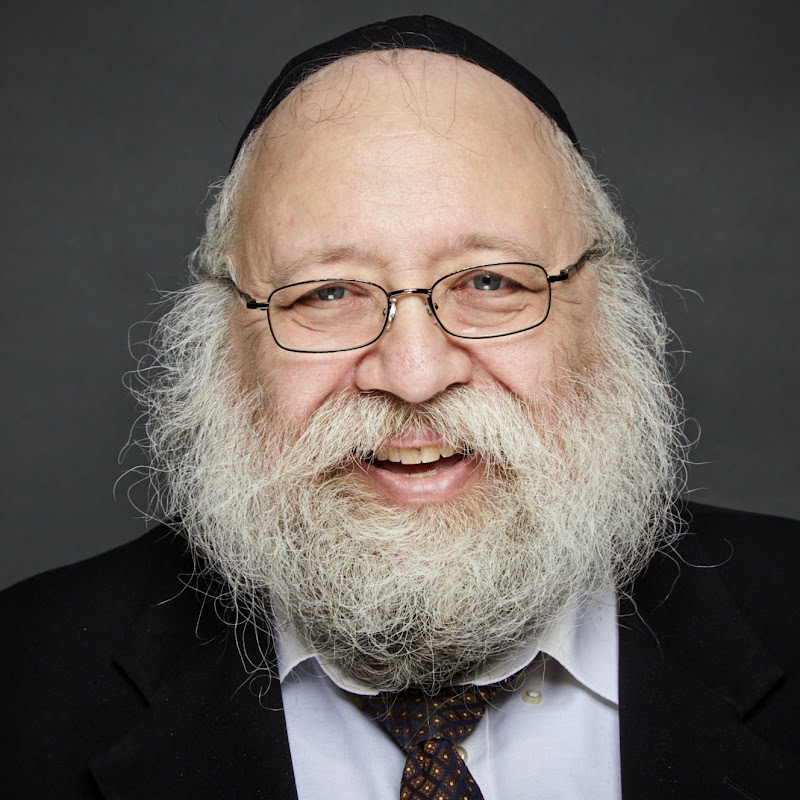
Welcome to When One Heart Became Two Worlds: The Birth of Sephardic and Ashkenazic Jewry — Lesson I in a new 6-week series. Why do Yemenite, Iraqi, and Persian Jews — who have no ancestral connection to Spain at all — call themselves "Sephardic"? And why did the greatest Jewish scholar in history, born in Cordova, sign his name "Moshe ben Maimon HaSefaradi" (I am Moses son of Maimon the Spaniard) even after living most of his life in Egypt? In this opening lesson of the series, Rabbi Heschel Greenberg traces how one Jewish people split into two distinct cultures, languages, and traditions. We start with why Judaism insists on remembering the past at all, then follow the center of Jewish scholarship as it moves from Jerusalem to Babylonia after the Temple's destruction, and finally to Spain — where the chance capture of four rabbis by pirates seeded what would become the Golden Age of Sephardic Jewry. 🔎 In this video we explore: Why remembering the past is a core Jewish value — and the parable of the lost man in the forest The real differences between Ashkenazic and Sephardic Jews: language, Hebrew pronunciation, and openness to secular culture Why non-Spanish Jewish communities still call themselves "Sephardic" How Babylonia — not Israel — held the longest continuous major Jewish population of any country in history The rise and decline of the Geonim, and the responsa system that kept Jewish law connected across continents Life for Jews under Visigothic persecution versus Muslim rule in Spain The legendary Story of the Four Captives and how it launched Spain as a center of Torah scholarship ⏱️ TIMESTAMPS 00:00 Welcome & Why Jewish History Matters 03:52 Five Keys to Understanding Jewish History 08:24 Defining Ashkenazic and Sephardic Jews 13:24 What Does "Sephardic" Really Mean? 17:54 Language, Pronunciation & Culture: The Real Differences 21:57 From Jerusalem to Babylon: Scholarship After the Temple's Fall 28:02 The Age of the Geonim and the Birth of Responsa Literature 33:14 The First Jews in Spain: Legend and Early Evidence 36:03 Visigothic Spain: Forced Conversion and Persecution 40:44 Life Under Muslim Rule and the Pact of Umar 42:46 711 CE: Spain Falls to the Muslims 45:12 Leaning on Babylon: Prayer Books, Talmuds & Responsa by Mail 50:28 The Golden Age Begins: Cordova and the Story of the Four Captives 55:06 Q&A and Series Announcements 🙏 If this lesson gave you a new way to see your own family's story — Ashkenazic, Sephardic, or otherwise — please like, subscribe, and share where your ancestors fit into this history in the comments. Join us next week as we continue the story of Sephardic Jewry's Golden Age. 📚 Sources discussed: Mishna (Rabbi Yehuda HaNasi), Babylonian Talmud, Rabbi Saadia Gaon, Rabbi Amram Gaon, Rabbi Paltoi Gaon, Rabbi Natronai bar Hilai Gaon, Rambam (Maimonides), Rabbi Ovadia Yosef, Book of Ovadiah, the Pact of Umar, the Council of Elvira, the Story of the Four Captives (Rabbi Moshe ben Chanoch, Rabbi Shemarya ben Elchanan, Rabbi Chushiel, Rabbeinu Chananel) #SephardicJews #AshkenazicJews #JewishHistory #Maimonides #Rambam #GeonimHistory #StoryOfTheFourCaptives #GoldenAgeOfSpain #RabbiGreenberg Join our vibrant Torah learning community: 🌐 Website: https://www.rabbigreenberg.com 📚 "Jewish Wisdom for Modern Life" - Latest book: https://a.co/d/6Sz88At ▶️ YouTube: /rabbiheschelgreenberg 📸 Instagram: /rabbi_greenberg 🐦 Twitter: https://x.com/Rabbi_Greenberg 📘 Facebook: /rabbihgreenberg 🎵 TikTok: /rabbi_greenberg 💼 LinkedIn: /rabbihgreenberg
Originally published on YouTube by Rabbi Heschel Greenberg. Jewish Social Media links to and embeds the original — it doesn't host this video. Request removal
0 comments
Loading comments…