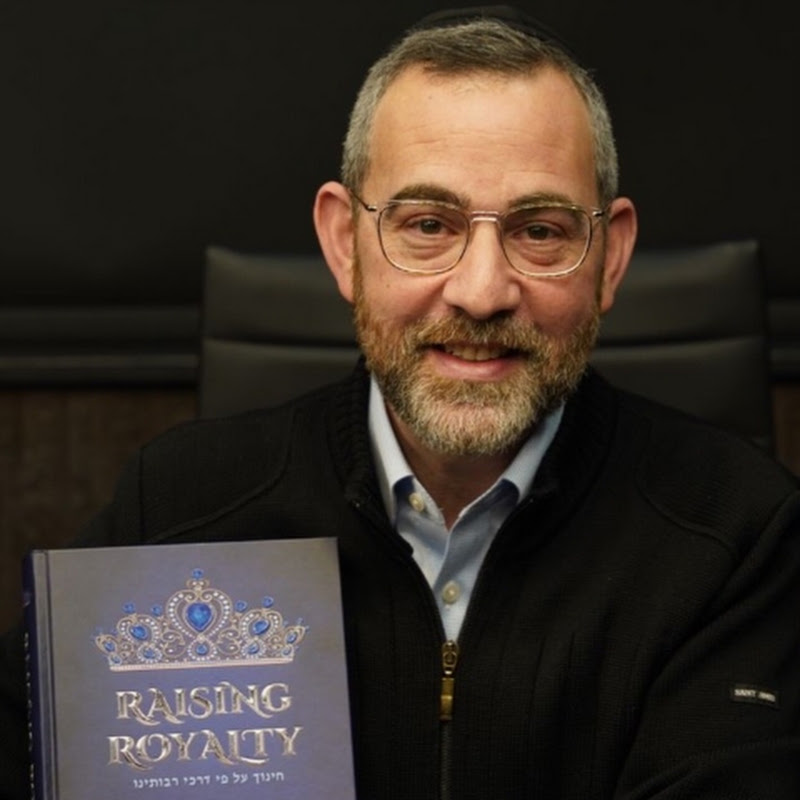
(אידיש) רב חיים אהרן אונגער שליט"א (רב ב"מ סאטמאר) מסביר כיצד צריכות להתייחס לילדים מרדניים (376)
2.1K views · 1 year ago · Jewish Culture, Kids & Family
(376) HARAV CHAIM AHRON UNGER SHLYT"A - SATMAR (YIDDISH) ### Summary The video transcript presents a deeply reflective and fragmented narrative centered on trauma, human pain, societal rejection, and the struggle for acceptance. It explores the complex experiences of individuals—particularly children—who have faced severe hardships, displacement, and psychological suffering in various geopolitical contexts, including Russia, Ukraine, Poland, and America. The speaker discusses the universal nature of human pain and the difficulty of truly understanding and healing from trauma. There is an emphasis on how rejection and exclusion impact individuals, particularly those who have endured war or societal upheaval, and how society often fails to support them adequately. Therapy and healing are considered, but the speaker critiques conventional approaches, suggesting that healing is not straightforward and often misunderstood. The narrative also reflects on the profound isolation and internal conflict that trauma survivors face, highlighting the need for genuine human connection and compassion beyond superficial or institutional methods. The speaker calls for a more inclusive understanding of normality—one that accepts the twisted, messy realities of human suffering instead of marginalizing those who are different. The message underscores the importance of empathy, acceptance, and the recognition that every human being carries pain and deserves dignity. ### Highlights - 🌍 Trauma and displacement affect children and adults across diverse geopolitical regions. - 💔 Human pain and rejection are universal but often invisible struggles. - 🧠 Conventional therapy may not fully address the complexities of trauma. - 🤝 Society tends to exclude or misunderstand those who are “different.” - 💡 True healing requires acceptance and compassion beyond institutional frameworks. - 🔄 Normality should embrace human imperfection and suffering, not deny it. - 🌱 Empathy and connection are key to overcoming isolation caused by trauma. ### Key Insights - 🌐 **Global nature of trauma and displacement:** The transcript references multiple regions—Russia, Ukraine, Poland, America—indicating that trauma is not confined to one nation or culture. Children and adults displaced by war and social upheaval face similar challenges worldwide. This universality calls for global awareness and solidarity in addressing trauma. The speaker’s mention of fleeing to different places like America or Berlin highlights the human migration driven by conflict and the psychological toll it takes. - 💔 **Invisible pain and societal rejection:** The narrative repeatedly touches on the “deep pain” that victims of trauma carry and how society often fails to recognize or accept them. This rejection exacerbates suffering, as individuals feel unseen and unheard. The speaker notes that every child carries hidden pain, which is rarely spoken about openly. This insight stresses the importance of creating safe spaces for sharing and acknowledging trauma to begin the healing process. - 🧠 **Limits and challenges of therapy:** While therapy is acknowledged as a tool, the speaker critiques its efficacy, suggesting that standard therapeutic approaches may not fully capture the complexity of trauma or the lived realities of survivors. Some therapies, especially those designed for “ill” people, may not be suitable or sufficient for everyone. This calls for more individualized, compassionate, and culturally sensitive approaches to mental health care. - 🤝 **Need for acceptance beyond normality:** The transcript emphasizes that “normality” should not be a narrow, exclusionary concept. Instead, it should include and embrace the “twisted” or “messy” aspects of human experience, including pain and mental health struggles. True acceptance involves recognizing and valuing the whole person, not just their conformity to societal norms. This challenges stigmatization and advocates for inclusivity. - 🔄 **The cycle of pain and rejection:** The speaker outlines how pain leads to rejection and exclusion, which in turn deepens the trauma. This vicious cycle is difficult to break without conscious effort from both individuals and society. Recognizing this pattern is crucial for developing effective support systems and interventions that address root causes rather than symptoms. - 🌱 **Empathy as a healing force:** Ultimately, the transcript underlines empathy and human connection as essential for healing. The speaker stresses that people must “deal with” others with compassion and understanding to help overcome isolation. This insight aligns with trauma-informed care principles, which prioritize trust, safety, and relational support. -
Originally published on YouTube by Avi Fishoff TWiSTED PARENTiNG. Jewish Social Media links to and embeds the original — it doesn't host this video. Request removal
0 comments
Loading comments…